
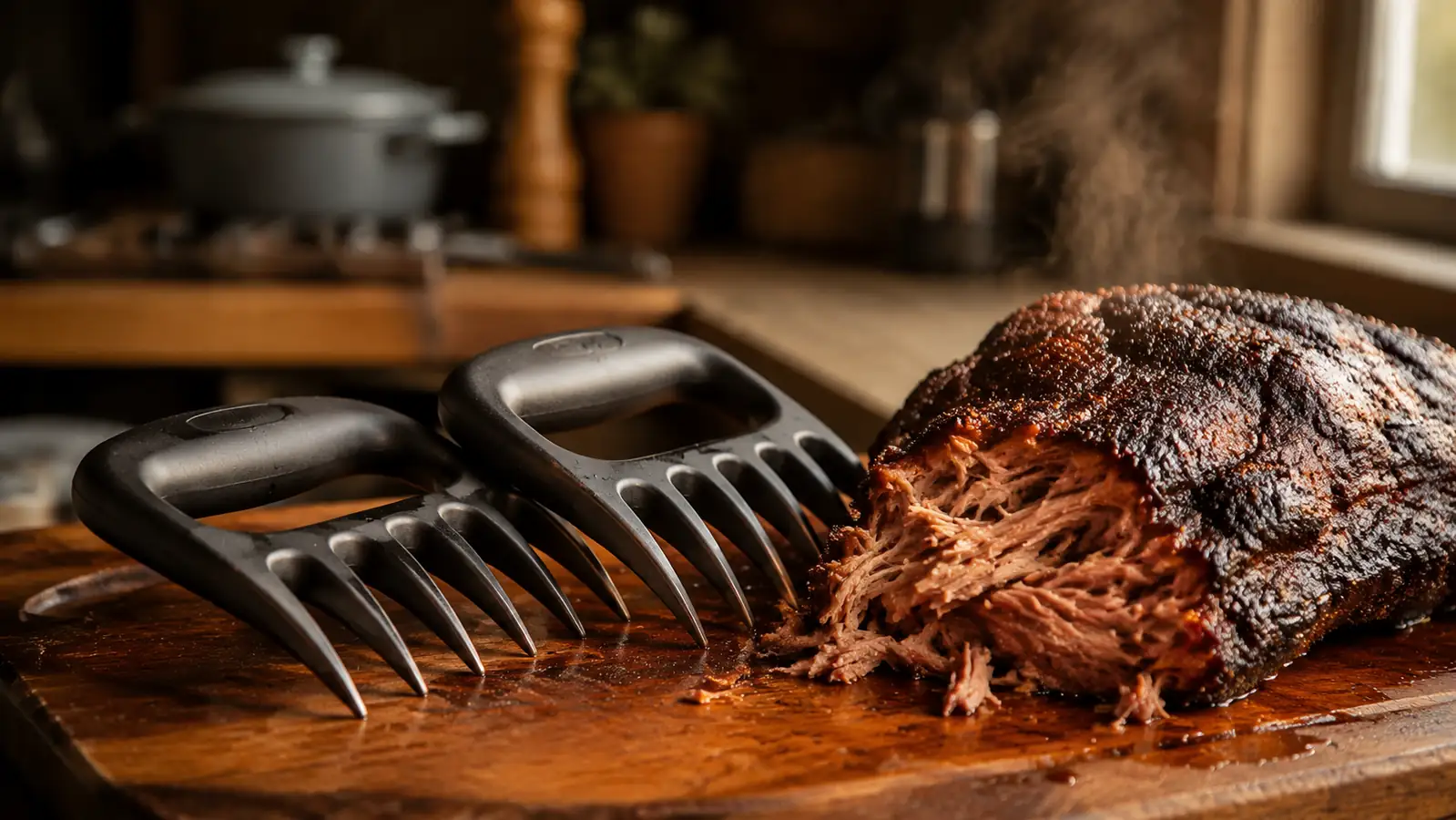
Let me tell you what got me to finally buy a pair of Bear Paw claws. It wasn't a commercial. It was my neighbor Wanda standing at her folding table at the Fourth of July block party, shredding a pork butt in about the time it takes to say grace, while I was three feet away sawing at mine with two dinner forks like I was trying to defuse a bomb. I bought a pair that week for thirteen dollars and change, and I've used the same set since, through everything from the church potluck circuit to Thanksgiving turkey to one memorable batch of buffalo chicken dip for the deacon board picnic.
That's the review most sites won't give you straight. Everybody wants to tell you these things are a miracle. They're not a miracle. They're a good, cheap tool that does one job well and a few other jobs just okay. I'm going to walk you through both sides, because you paid for honesty, not a sales pitch, and I'd rather you know exactly what you're getting before it shows up on your porch.
The Quick Verdict
Genuinely faster and easier on your hands than forks for shredding pork or chicken, but the plastic shows its age after a season of heavy use and it's not the all-purpose meat tool the packaging implies.
Amazon Check Today's Price →Tired of wrestling a pork butt with two forks and losing?
Bear Paw claws won't turn you into a pitmaster overnight, but they'll get a twelve pound pork shoulder shredded before your side dishes are even warm. Check today's price and see why they've stuck around in my kitchen drawer for two years running.
Amazon Check Today's Price on Amazon →How I Actually Use Them
I'm not a professional pitmaster. I'm a guy who smokes two or three pork butts a month from April through October for family reunions, church functions, and the occasional Sunday when my son-in-law's whole crew shows up unannounced. My Bear Paw claws live in a drawer next to my instant-read thermometer, and they come out almost every time I pull meat off the smoker.
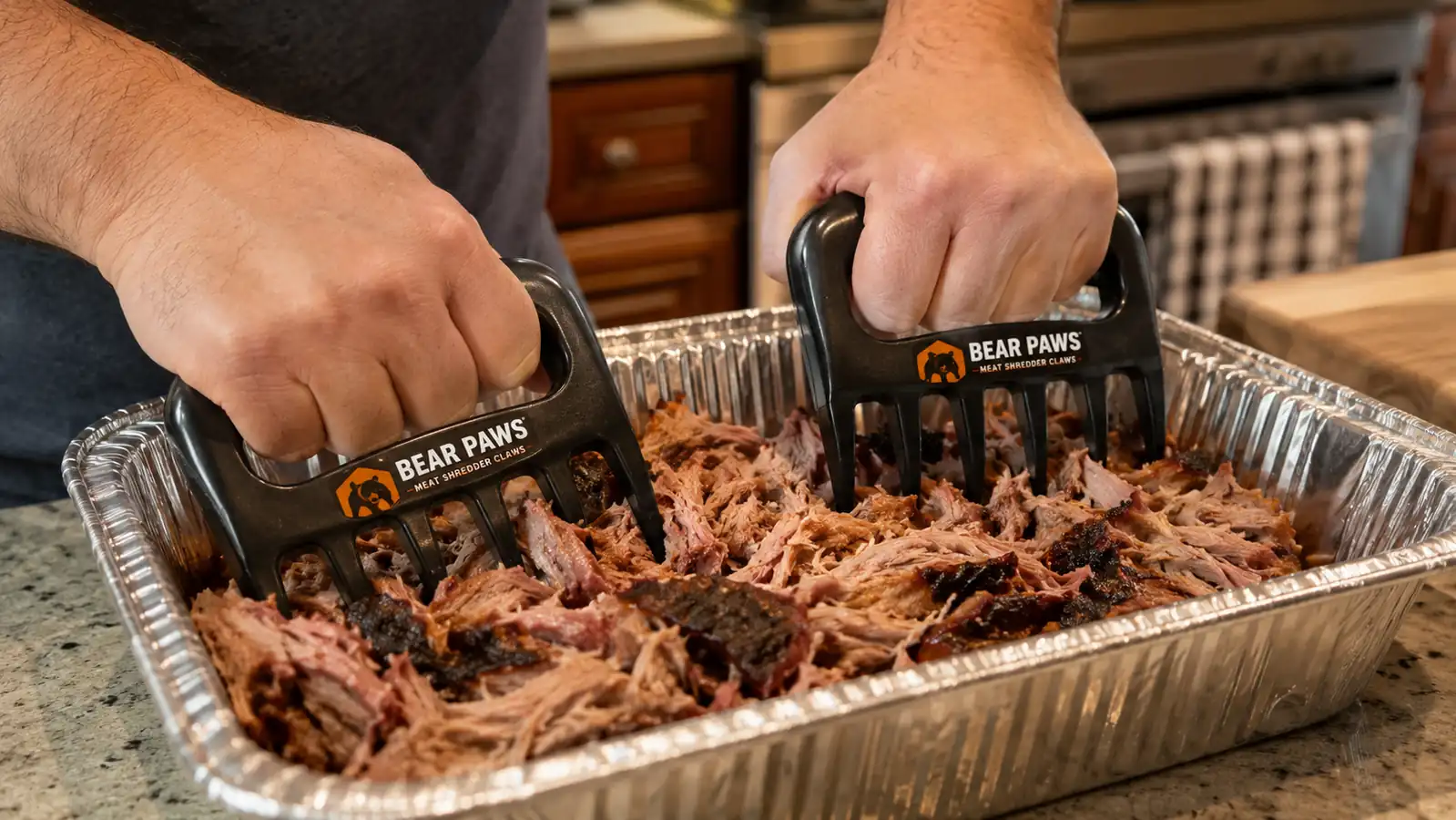
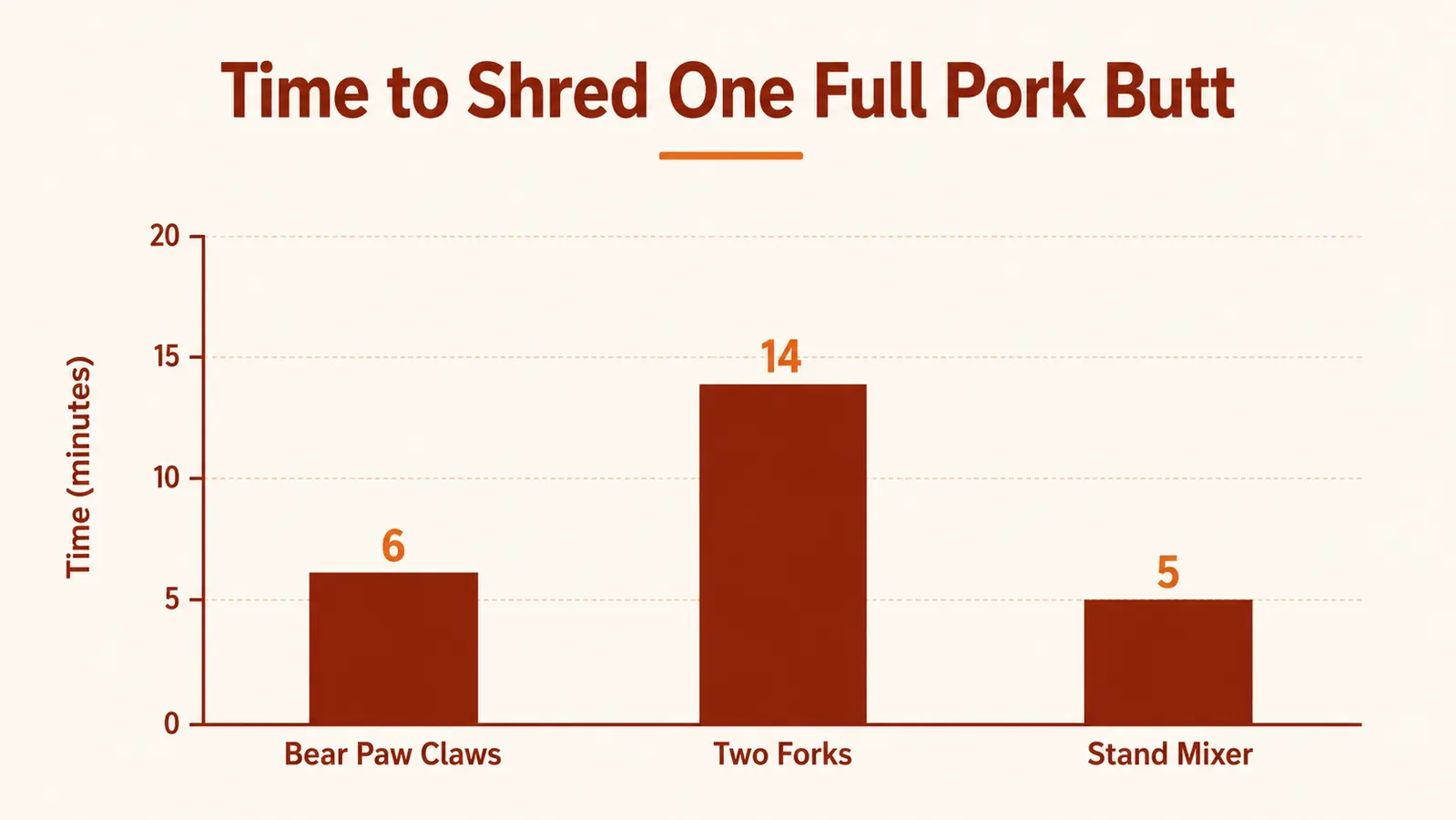
The routine is always the same. Pork butt comes off the smoker at 195 to 203 degrees internal, rests wrapped in a cooler for at least forty five minutes, then goes into a foil pan. I put on the claws like oven mitts, dig the tines in near the bone, and pull the meat apart in long strands. A full twelve pound butt takes me about six to eight minutes this way. With two forks, that same butt used to take me closer to fifteen minutes and left my forearms sore the next day.
I've also used them on smoked chicken thighs, a couple of turkey breasts, and once on some leftover brisket flat that had gone a little dry from reheating. That last one is where I learned their limits, which I'll get into below. My wife Bev thought I was being dramatic the first time I brought them to a family reunion, right up until she timed me on a whole butt and clocked it at under seven minutes. She's used her own pair ever since.
What the Packaging Doesn't Tell You
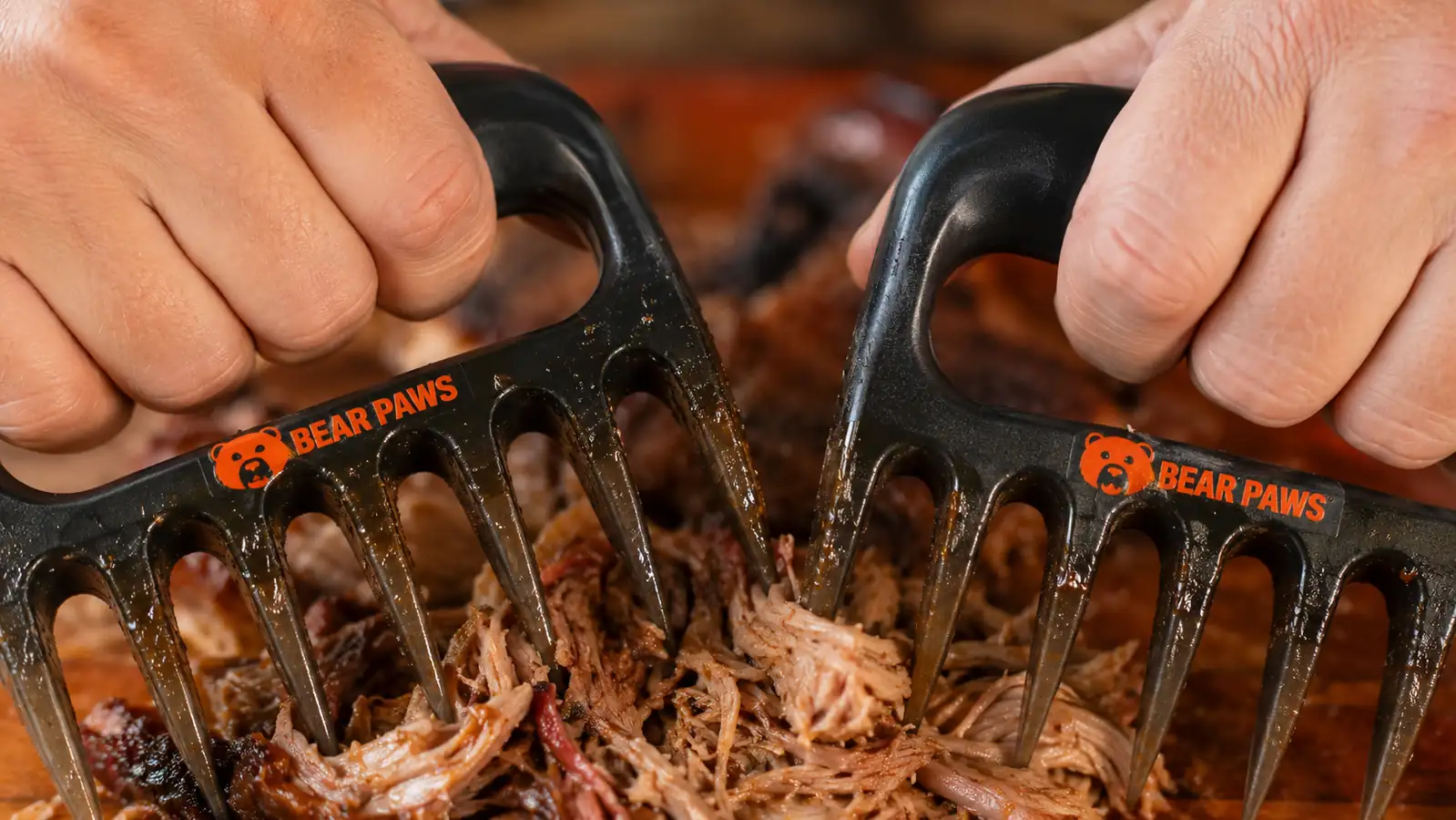
The listing calls these claws good for shredding 'any meat,' and that phrase is doing a lot of work it can't back up. For anything that pulls apart along a natural grain, pork butt, chicken thighs, brisket point, they're excellent. The curved tines get under the fibers and separate them cleanly instead of mashing everything into paste, which is what happens when you get impatient with a fork.
Where they fall short is on anything lean or firm. I tried them on a batch of grilled chicken breast for a potluck salad and honestly, a knife did a better job. Chicken breast doesn't have the fat and connective tissue that lets it separate into strands, so the claws just kind of shove the meat around instead of shredding it. Same story with that dried out brisket flat. The tines dug in fine, but a firm, drier cut fought back and I ended up finishing the job with a knife anyway.
Nobody puts that on the product page, because 'works great on fatty, well rested cuts and struggles on lean or dry ones' doesn't fit on a bullet point. But that's the honest range, and once you know it, you stop expecting these to replace every knife and fork in your kitchen.
Every Other Shredding Method I've Tried, and Why I Keep Coming Back
Before the claws, I went through the usual progression most backyard cooks go through. Bare hands with insulated gloves came first, which works but leaves your fingers smelling like hickory smoke for a full day no matter how many times you wash them. Two forks came next, which is fine for a small chicken breast but turns into a real chore on a full pork butt, especially once your hands start cramping around minute ten.
I also went through a stretch of using my wife's stand mixer with the paddle attachment, which honestly shreds meat almost as fast as the claws do, sometimes faster on a really big batch. The tradeoff is cleanup. You're now washing a mixer bowl and paddle instead of two plastic claws that go straight in the dishwasher, and you can't do it tableside in front of the family the way you can with claws, which matters more than you'd think at a reunion where people like watching the pork come apart.
So here's my honest ranking for a full pork butt: stand mixer and claws are close to a tie on raw speed, forks are a distant third, and bare hands are last unless it's a small enough batch that speed doesn't matter. The claws win overall for me because they're cheaper than a stand mixer, easier to clean, and I can hand a pair to my brother-in-law at a cookout without explaining how to use an appliance.
The Plastic Question
Here's the part that surprised me. These are food grade plastic, not metal, and after about a year and a half of regular use mine have picked up a permanent orange tint from paprika and a faint smoky smell that never fully washes out. Cosmetically they look like they've earned their keep, which I don't mind, but if you're expecting them to stay showroom clean, they won't.
More important than the staining is the flex. When they were new, the tines had a nice rigid snap to them. After two summers of heavy use, mine have a slightly softer give when I press down hard, especially on the pair I use most. They still do the job, but I wouldn't expect them to perform like new forever if you're cooking as often as I do. If you're an occasional user, a couple times a month, this probably won't matter to you at all. If you're doing this weekly through a whole grilling season, budget for the idea that you might want a fresh pair every two or three years.
One thing I will say in their favor: I've run mine through the dishwasher more times than I can count and never had a tine crack or snap off. A few online reviews mention breakage, and I think that mostly comes from using them on frozen meat or trying to pry apart something with actual bone still attached. Used the way they're meant to be used, on rested, boneless or bone-removed cuts, mine have held up fine.
Watch Out for the Knockoffs
One thing nobody warns you about is how many near-identical looking claws are floating around under different brand names for a couple dollars less. My sister-in-law bought a no-name set at a discount store thinking she was getting the same thing, and hers snapped a tine on their second use, on a rested pork butt with no bone in sight. Mine, from the actual Bear Paw brand, have never done that. I'm not saying every off-brand version is junk, but there's clearly a difference in the plastic quality, and saving two or three dollars isn't worth rolling the dice on a broken tine mid-shred in front of your whole extended family.
If you're comparing listings, check that you're actually getting the original Bear Paw product and not a lookalike with a similar photo. It's an easy mistake to make when you're scrolling on your phone at ten at night trying to order before the cookout.
Cleanup and Storage, the Real Routine
Nobody writes about this part either, but it matters if you're going to keep these things in regular rotation. I rinse mine under hot water right after shredding, before any sauce has a chance to dry into the tine grooves, then they go straight in the top rack of the dishwasher with everything else. If sauce does dry on, a toothpick or the corner of a dish brush gets it out of the grooves, but it's an extra step you don't want to be doing at ten at night after a long cookout.
Storage is simple. Mine live in a kitchen drawer, not hanging on a hook, because the curved shape doesn't lend itself to hanging storage the way a spatula or tongs do. If drawer space is tight in your kitchen, that's worth knowing before you order, since these take up more room than a single utensil would.
Do You Actually Need Two Pairs?
Most listings sell these in a two pack, and plenty of reviews act like you need both hands claw'd up at all times. In my experience, one pair per person shredding is plenty, and for most home cooks doing a single pork butt at a time, you don't even need two people on it. I shred solo about eighty percent of the time. Where the second pair earns its spot is bigger batches, like the fifteen pound double batch I did for my daughter's graduation party, where having my wife working the other side of the pan cut our time almost in half.
So the honest answer is: buy the two pack because it's usually the same price as buying one anyway, but don't feel like you're missing out if you only ever use one claw per hand solo. If you cook for a crowd regularly, having a spare pair also means you're covered the day one set is still in the dishwasher when unexpected company shows up, which happens more often than you'd think around here.
What I Liked
- Genuinely faster than forks on pork butt and chicken thighs, usually half the time or better
- Easier on your hands and wrists than gripping two forks for ten plus minutes
- Curved tines separate meat along the grain instead of mashing it
- Dishwasher safe and mine have never cracked with normal use
- Thirteen dollars is a low bar to clear for how often I reach for them
- Genuine Bear Paw plastic holds up noticeably better than the cheap knockoffs I've seen break
Where It Falls Short
- Plastic stains and picks up a smoky smell permanently after heavy use
- Tines get a slightly softer flex after a couple seasons of regular use
- Struggles on lean cuts like chicken breast and on drier, firmer meat like a reheated brisket flat
- Not a real substitute for a good knife when precision matters
- The 'any meat' marketing oversells what they're actually built for
- Knockoff versions sold under other names can be noticeably lower quality
They're not a miracle tool. They're a thirteen dollar shortcut that does one job, shredding well rested fatty meat, better than your hands or a fork ever will.
Who This Is For
If you smoke pork butts, chicken thighs, or brisket with any regularity, whether that's twice a month or twice a year for a big family gathering, these are worth having in the drawer. They're cheap enough that the decision barely matters, and they solve a real problem, which is that shredding a large piece of meat by hand or with forks is slow and tiring. If you host potlucks, reunions, or tailgates where you're pulling ten or more pounds of pork at once, the time savings alone justifies the purchase, and your forearms will thank you the next morning.
They're also a smart pickup if you're just starting out smoking meat and don't have a full kit of specialty tools yet. At this price, it's an easy first purchase that pays for itself the very first time you use it, well before you're ready to invest in anything more expensive.
Who Should Skip It
If your grilling is mostly steaks, burgers, and chicken breasts, cuts you slice rather than shred, you don't need these and won't use them. Same goes if you already own a stand mixer with a paddle attachment you use for shredding, since that method works nearly as fast for big batches and doesn't tire your hands at all. And if you're the type who wants gear that stays pristine looking, know going in that these will pick up stains and smell like your smoker after enough use. That's not a defect, it's just what happens to plastic that touches barbecue sauce for two summers straight.
If your forks are losing the fight with your next pork butt, don't wait for the next cookout to find out
Grab a pair of Bear Paw claws before your next smoke day and see the six-minute shred for yourself. Check today's price on Amazon while you're planning the rest of your cookout list.
Amazon Check Today's Price on Amazon →