
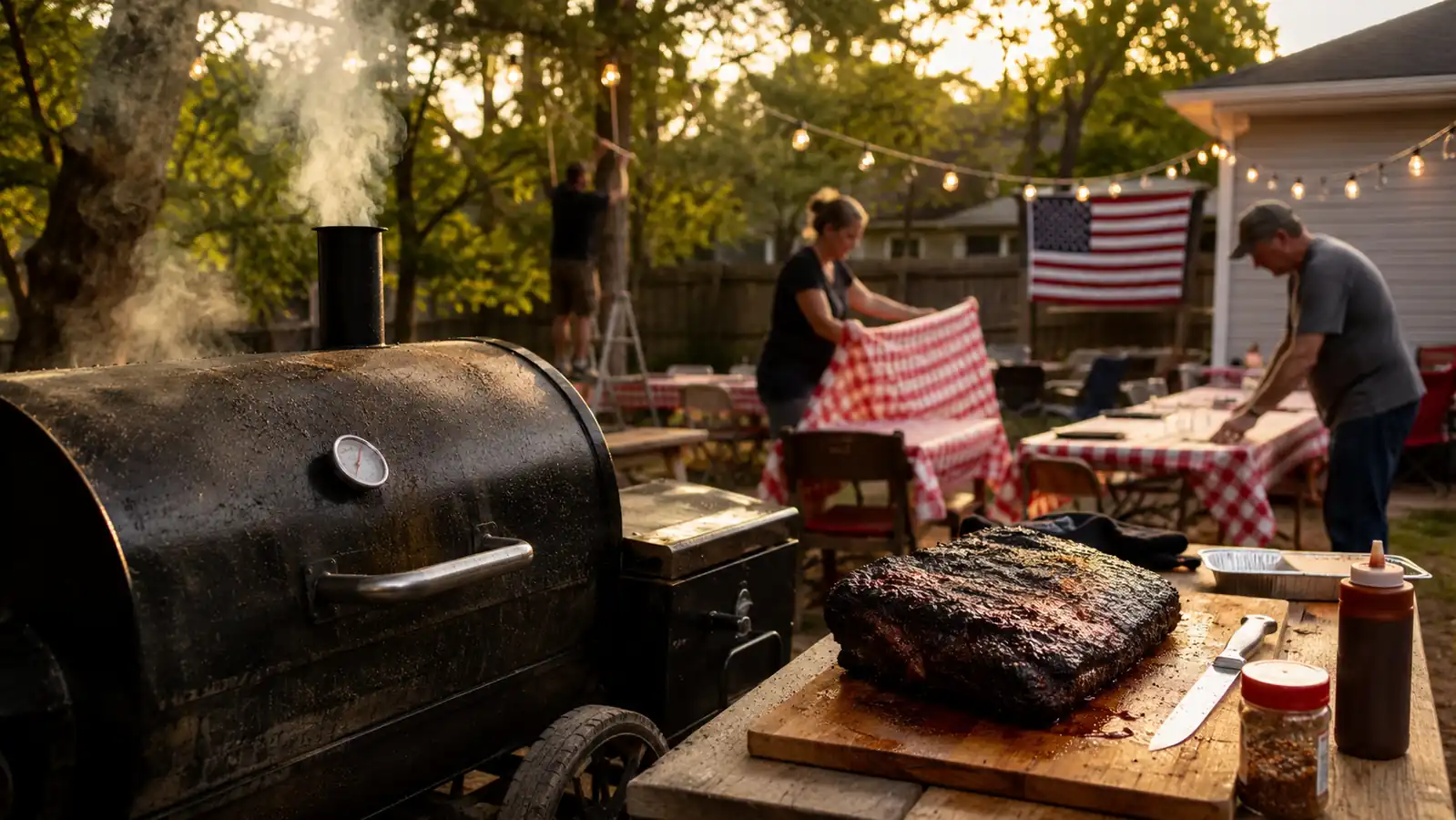
Every year for the Fourth of July, I pull an eighteen-pound brisket out of my old offset smoker around six in the morning, wrap it up somewhere past the stall, and let it ride until it's ready to rest. Two summers ago, that wrap almost cost me the whole cookout. I'd wrapped that brisket in heavy-duty aluminum foil like I'd done for fifteen years, never once thinking about butcher paper, and when I unwrapped it in front of my brother-in-law Chuck and about twenty family members sitting at picnic tables in my backyard, the bark that had taken eight hours to build just peeled right off in one wet, gray sheet.
Donna, my wife, still brings it up. She calls it the Fourth of July that almost wasn't. The meat underneath was tender, don't get me wrong, but the bark, that dark peppery crust everybody fights over, was gone. Turned to mush. Chuck didn't say anything ugly, he's not that kind of guy, but I saw him scrape the outside off two slices before he ate them, and that told me everything I needed to know.
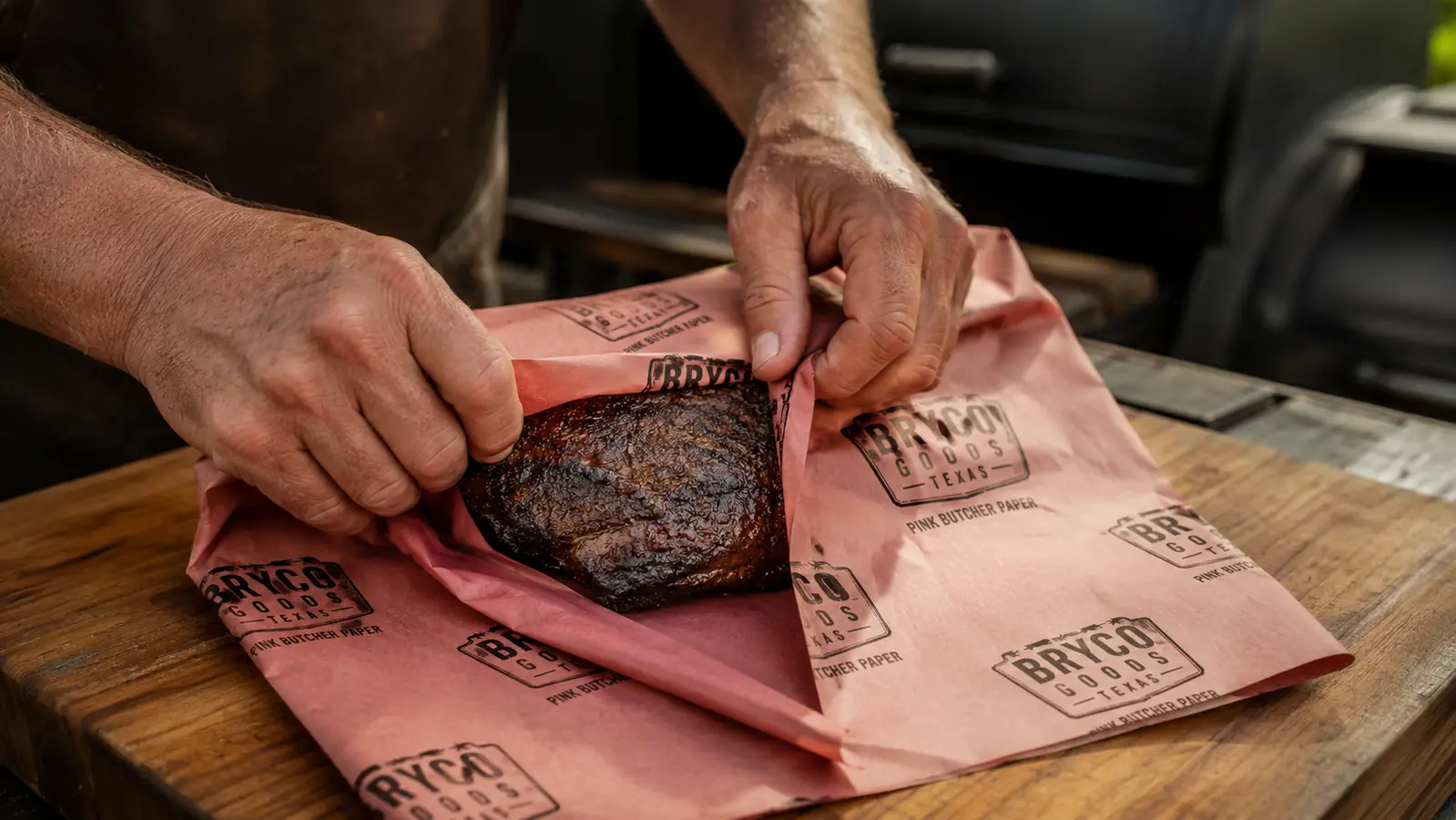
I went home that night after everybody left and did what I should have done years earlier. I got on my computer and started reading about why foil does that to a brisket. Turns out foil seals in steam so tight that the bark just sits there stewing in its own moisture for the rest of the cook. Pitmasters who actually compete for a living had mostly moved to what folks call the Texas crutch with butcher paper instead of foil, since paper lets some of that steam breathe out while still speeding up the stall.
So before Labor Day rolled around, I ordered a roll of Bryco Goods pink butcher paper, the eighteen inch by a hundred seventy five foot roll, the peach colored kind actual barbecue joints in Texas use. I want to be honest, I was skeptical. I figured paper was paper, and I half expected it to fall apart on me halfway through the cook.
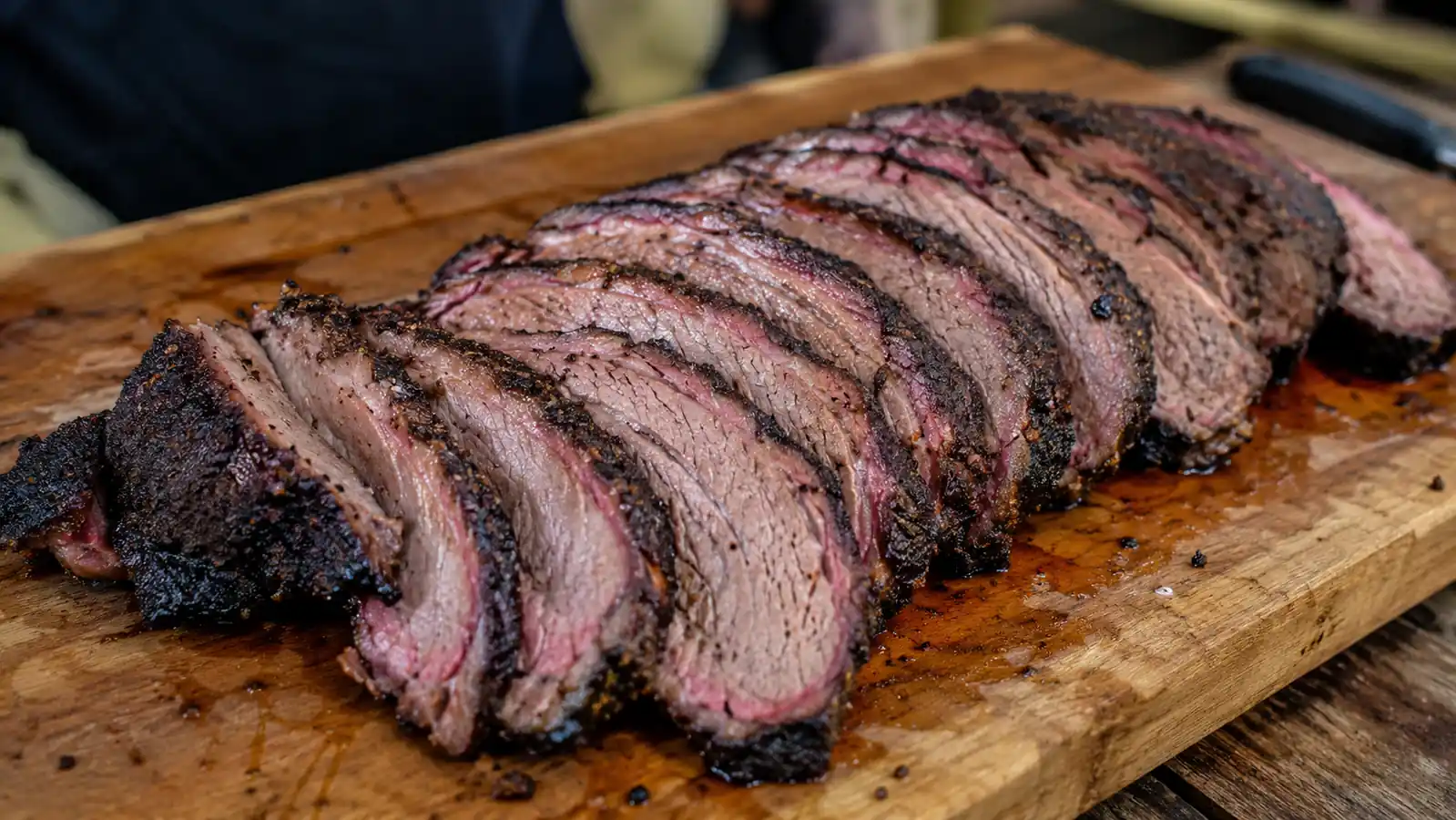
It didn't. I wrapped that Labor Day brisket around 165 degrees internal, same spot I always wrap, and let it ride the rest of the way to 203. When I peeled that paper back in front of the same crowd, Chuck included, the bark held. Dark, cracked, peppery, exactly the way it looked before I ever wrapped it. My neighbor Pastor Tim, who never says much about food unless he means it, asked me twice where I'd bought that paper.
Foil was never the villain I thought it was for years. It just does one job, sealing in moisture, and that job happens to be the wrong one for the last stretch of a brisket cook.
The paper that saved my bark for good
After that Fourth of July disaster, I switched to the same peach butcher paper serious brisket cooks have leaned on for years. It's the only wrap that's earned a permanent spot in my smoker cart since.
Amazon Check Today's Price on Amazon →I've used that same Bryco Goods roll, or one just like it since I've gone through a few now, at every cookout since. Easter this year, the church potluck in June where I smoked two briskets back to back, and just about every Saturday I fire up the smoker for Donna and me alone. The roll lasts a long time too. Eighteen inches is wide enough to wrap a full packer brisket without piecing two sheets together, which used to be a headache with the narrower stuff I tried once from the grocery store.
I've also learned a few things using it that nobody told me when I started. Your hands are going to end up pink after wrapping, that's just the dye in the paper, and it washes off with regular soap. Don't wrap too early either. I still let the bark set until the color's right, usually somewhere in that 160 to 170 range depending on how much smoke I'm running, before I even reach for the paper.
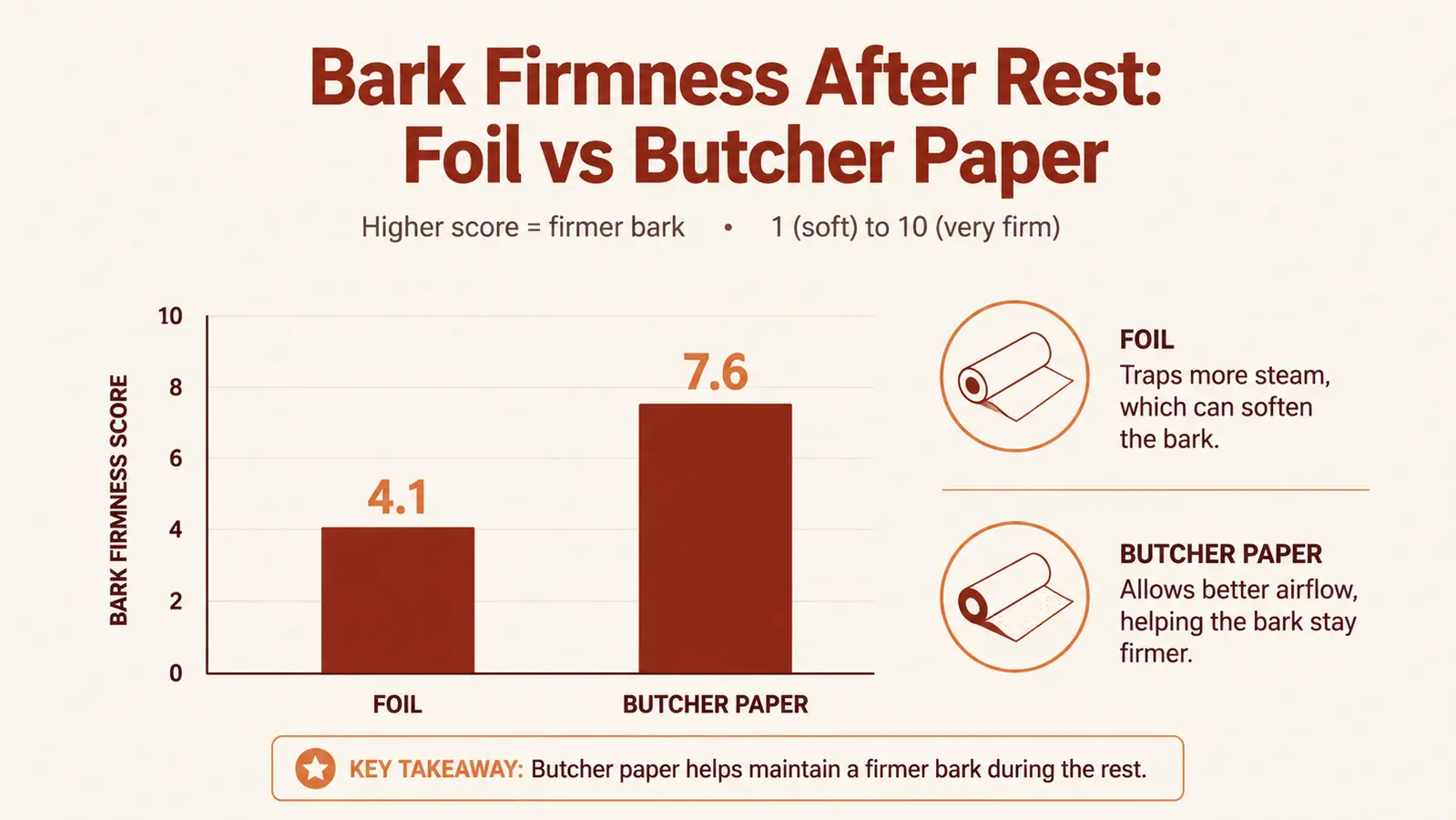
My grandson Eli, who's twelve now and just started riding along to help me tend the fire, asked me last month why I don't just use foil anymore since it's cheaper. I told him foil's fine for keeping a finished brisket warm on the way to the table, or for wrapping ribs partway through a cook where bark matters less. But for the one thing I care most about, that bark on a long brisket cook, Bryco Goods paper's the only thing that's earned a permanent spot in my kitchen drawer since that Fourth of July disaster.
I won't pretend one roll of Bryco Goods paper turns a bad brisket into a good one. You still have to manage your fire, still have to hit your stall at the right internal temp, still have to rest it long enough afterward. Butcher paper didn't fix any of that for me. What it fixed was the one part of the process that used to undo all the work I'd already put in.
What I'd Tell You If We Were Sitting at My Kitchen Table
If you asked me over coffee whether it's worth switching, I'd tell you the truth: it's not going to save you money over foil, and it's not going to make a mediocre brisket taste incredible. What it will do is protect the bark you already worked all morning to build, and that's worth more to me than the few cents I save buying the cheap stuff. I still keep foil in the drawer for other jobs. But when it's brisket day, I reach for the pink paper first, every time, and I don't see that changing.
Still my go-to before every brisket cook
If bark matters to you as much as it matters to me, this is the roll I reach for before every single brisket goes on the smoker.
Amazon Check Today's Price on Amazon →